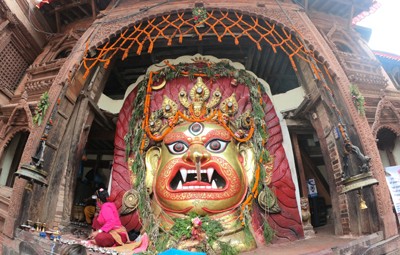
Discover the vibrant spirit of Ghode Jatra, Nepal’s ancient horse festival. From the legendary defeat of the demon Gurumapa to the spectacular displays by the Nepal Army at Tundikhel, explore the deep bond between humans and horses in Newari culture.
What Is Ghode Jatra Nepal Horse Festival History Traditions
Table of Contents
The Vedic Soul: The Horse as 'Ashwa'
The partnership between horses and humans—through riding, travel, and warfare—is a constant thread in the tapestry of human civilization. Historical documents and living legends alike testify to this bond. Before the invention of the automobile, the horse was the world's most reliable and fastest mode of transport, from Europe and America to the Middle East and Asia.
From the great ancient battles of the Mahabharata to the conquests of Napoleon Bonaparte and the Mongol Empire, horses were the ultimate symbol of empire and identity. In the Vedic Sanatan tradition, the horse (Ashwa) is considered a sacred being. The Ashwamedha Yajna is regarded as one of the most merit-earning rituals, where horses are set free to roam; it is believed that wherever these horses travel, peace, harmony, and joy will follow.
The Festival of Speed and Loyalty
Today, Kathmandu celebrates Ghode Jatra to honor these loyal, swift animals. Whether it is the statues of the Rana rulers or great warriors scattered across the city, the presence of a horse is essential to their grandeur. From Napoleon and Kublai Khan to Jung Bahadur and Mohan Shamsher, the horse represents dignity and power. As a quintessential festival of Kathmandu, Ghode Jatra has been observed at Tundikhel for generations.
Falling on the Aunsi (New Moon) of the Chaitra Krishna Paksha, the day features a grand parade by the Nepal Army and Nepal Police. The festivities begin early in the morning when the Army offers a sacrifice at the Revanta Pith in Juddha Sadak, signaling the start of the skills display at Tundikhel.
The breathtaking equestrian stunts, races, gymnastics, and martial arts performed today are the result of months of rigorous practice. If you are in Kathmandu, Tundikhel is the place to be to witness this live.
Guardians of the Valley: Horses vs. Gurumapa
The festival is not just about horses; it is deeply social. It begins with the worship of Luku Mahadev. At Asan, near the Annapurna temple, portable shrines (Khats) are clashed together to symbolize the meeting of divine sisters. On this day, it is also customary to invite married daughters and sisters home for a grand feast.
Why is Ghode Jatra Celebrated? (The Legend of Gurumapa)
According to local folklore, a demon named Gurumapa once lived in a tree in the southeast of Tundikhel. He would terrorize the city and kidnap children. To stop him, the residents found a way to trample the demon under the hooves of horses. Ghode Jatra was born as a victory celebration.
Even today, it is believed that the thundering hooves of the horses keep the demon’s spirit pressed deep into the earth. Elders warn that if the race is not held, the spirit might rise again to cause havoc. Additionally, as the New Year approaches (Chaitra Shukla Pratipada), the horse parade serves as a symbolic cleansing to welcome the coming year.
- Pahan Chare Nepal Festival (Related Festival)
The Silent Companions of History
History tells us that when Kathmandu, Bhaktapur, and Patan were separate kingdoms, King Pratap Malla of Kathmandu was a formidable ruler. Around Nepal Sambat 787, due to a rift between King Pratap Malla and King Shri Niwas Malla of Patan, the latter started a separate Ghode Jatra in Patan (at Bholakhyo Tol). This ensured that the people of Patan wouldn’t have to travel to Kathmandu to witness the spectacle, making Patan culturally self-reliant.
A Modern Ritual of Unity
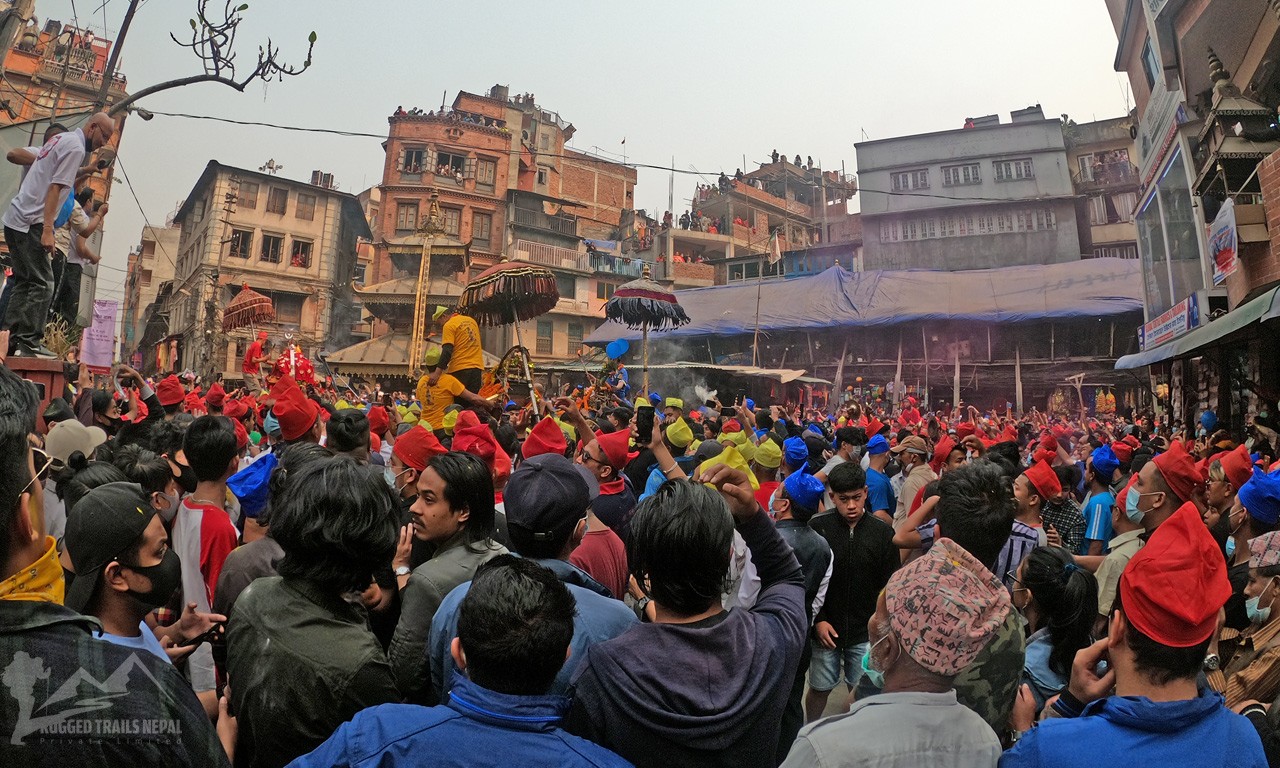
Today, the festival features a "Divine Union" where the idols of Bhadrakali, Lumadi, Kankeshwari, and Bhairav are brought to Asan Chowk. This is the only day of the year these deities "meet" each other.
While the President and high-ranking officials witness the Army's display at Tundikhel, unique traditions continue elsewhere:
- Patan: A race is held involving a solitary horse (traditionally said to be blind in one eye) at Balkumari.
- Bhaktapur: A decorated horse is run within the 55-Window Palace premises.
- Agriculture: Farmers traditionally plant seeds for beans, cucumbers, and pumpkins only after the "Badhain" (salute) at Tundikhel.
Though centered in the valley, the national importance of Ghode Jatra has spread to Palpa, Dharan, and Butwal, keeping the spirit of the "Ashwa" alive across Nepal.
Experience the Magic Yourself
There is an energy in the Kathmandu Valley during these festivals that no photograph can fully capture. It is found in the smell of ceremonial incense, the cheers of the thousands gathered at the city’s heart, and the sheer power of the horses that have carried Nepal’s history on their backs.
If you are looking for a destination that offers more than just sightseeing—if you seek a place where legends are still alive and every street corner tells a story—Nepal is calling. Come for the mountains, but stay for the soul of the Valley. Experience the "Divine Union" of its gods and the timeless gallop of its history.
- Ghode Jatra Festival Date: 18 March, 2026
Kathmandu isn't just a place you visit; it’s a story you become a part of.
Conclusion: Kathmandu—The Living Museum of the World
As the dust settles on the tracks of Tundikhel and the echoes of galloping hooves fade into the evening air, one thing becomes clear: Ghode Jatra is more than just a festival; it is a heartbeat. It is a profound reminder that in the center of a modernizing capital, the ancient bond between humans and horses remains unbroken.
- Festivals and Celebrations in Kathmandu (Blog Post)
Kathmandu is often described as a "Living Museum," but that title feels almost too static for a city this vibrant. Here, history doesn't sit behind glass—it breathes, it races, and it thunders through the streets. To witness Ghode Jatra is to see centuries of mythology, military precision, and divine tradition collide in a spectacular display of color and speed. From the spiritual "union of sisters" at Asan Chowk to the symbolic trampling of the demon Gurumapa, every moment is a portal into a world where the sacred and the earthly coexist.