The Powerful Cycle: Why Pashupatinath is the Heart of Spiritual Nepal
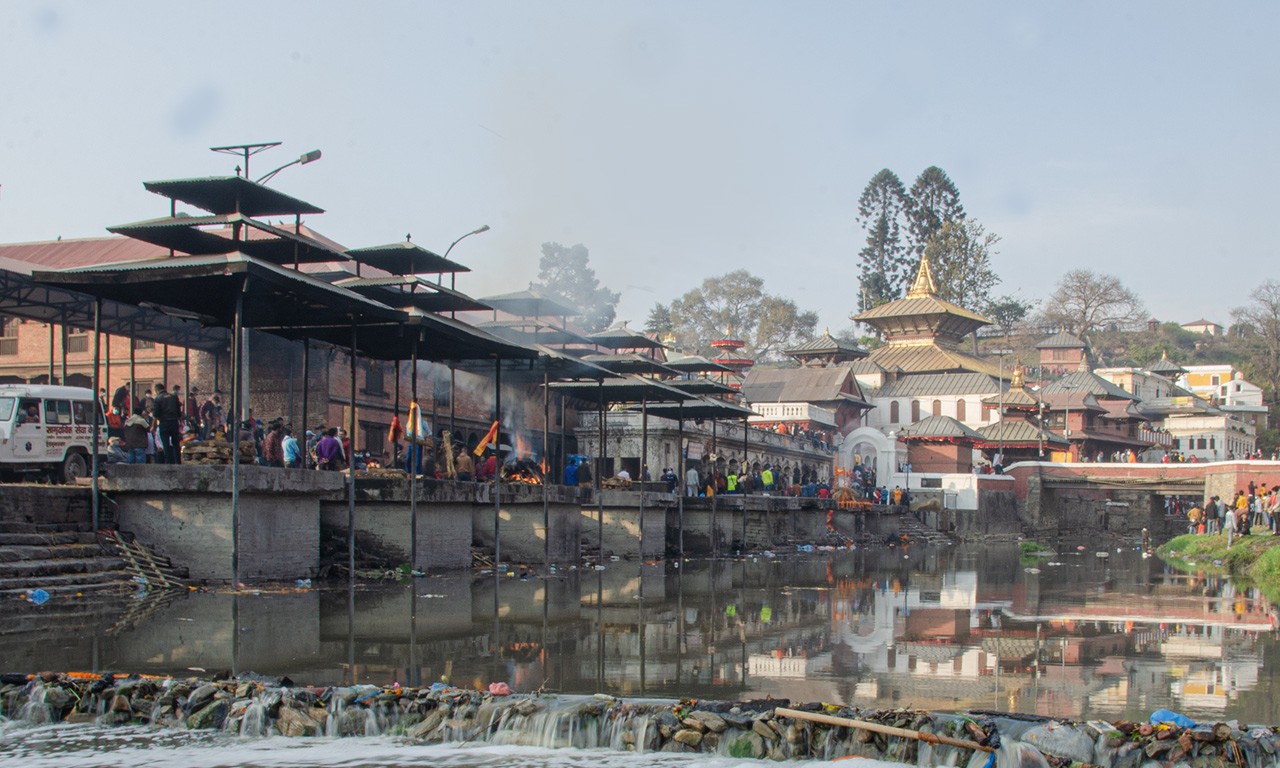
Whether in spirituality or in human life, time is all-powerful; it is the measure of everything. Without time, there is neither a world nor humanity. Time is the thread that binds everyone into a single orbit. A living example of this is the cremation ghats of Pashupatinath in Kathmandu. For a tourist or someone just passing the time, this place might seem like nothing special, but for those seeking to understand the entirety of life, the sacred ghats of Pashupatinath are the ultimate destination. There are many cremation grounds and tombs in the world, but few allow one to see and feel the bound cycle of life quite like this. That is why the Pashupatinath cremation ground is considered the most spiritual from every perspective.
The Dance and the Dirge
Some people remark that while a body is burning, others are lost in dance during the evening Arati or devotional Bhajans. You can hear the screams of a grieving relative, yet right beside them, someone is dancing, intoxicated by their own divine play. To the ordinary eye, this seems wrong—but the depth lies within this very contrast. In this cycle of time, the person who was dancing yesterday is lying on the Bramhanal (the stone slope touching the holy water) today; the one dancing today will be lying there tomorrow.
Just as death is the ultimate truth for humans and all living beings, everything we do before death is simply our Karma. Keep doing it, but remember: the ultimate truth is this cremation ground. Here, everything from birth to death—and the rituals after death—happens in one place.
If you look with a meditative eye, you will see it all around these ghats: the Pasni (rice-feeding) of a newborn, the marriages of the young, the commitments made to God after marriage, the wedding processions, the funeral processions, the evening rituals, the morning prayers, and the final dissolution into fire.
If you stand still long enough, you will witness a profound paradox:
- The Pasni: A newborn tasting their first grains of rice.
- The Vivaha: A young couple making eternal commitments to God.
- The Bramhanal: An elder lying on the stone slope, their feet touching the holy Bagmati, preparing for the final transition.
"Same time, same perimeter, but different actions. This is the final truth and the cycle of life."
While many cremation grounds are filled with noise and chaos, the area around the Pashupatinath ghats feels peaceful despite the external clamor; it is a highly energetic space. It is the one place where sin turns to virtue and virtue grows. When a funeral procession arrives with cries of grief, and the body eventually turns to ash within the flames, the tears begin to stop. People realize that this is the final destination, and they must now move forward with their own Karma.
Why Modern Life Feels Empty
Our ancestors lived with a sense of peace that seems to elude us today. Why? Because their daily lives—their Nitya Karma—were woven into this spiritual reality.
As we have traded spiritual depth for material comfort, we have lost our "Mirror of Life." By avoiding the reality of death, we have invited stress, frustration, and loneliness. We feel alone because we have forgotten that we are all part of the same energetic loop.
The Sadhu: A Life of Total Renunciation
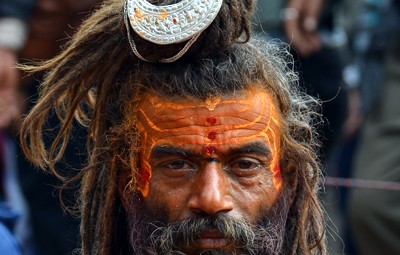
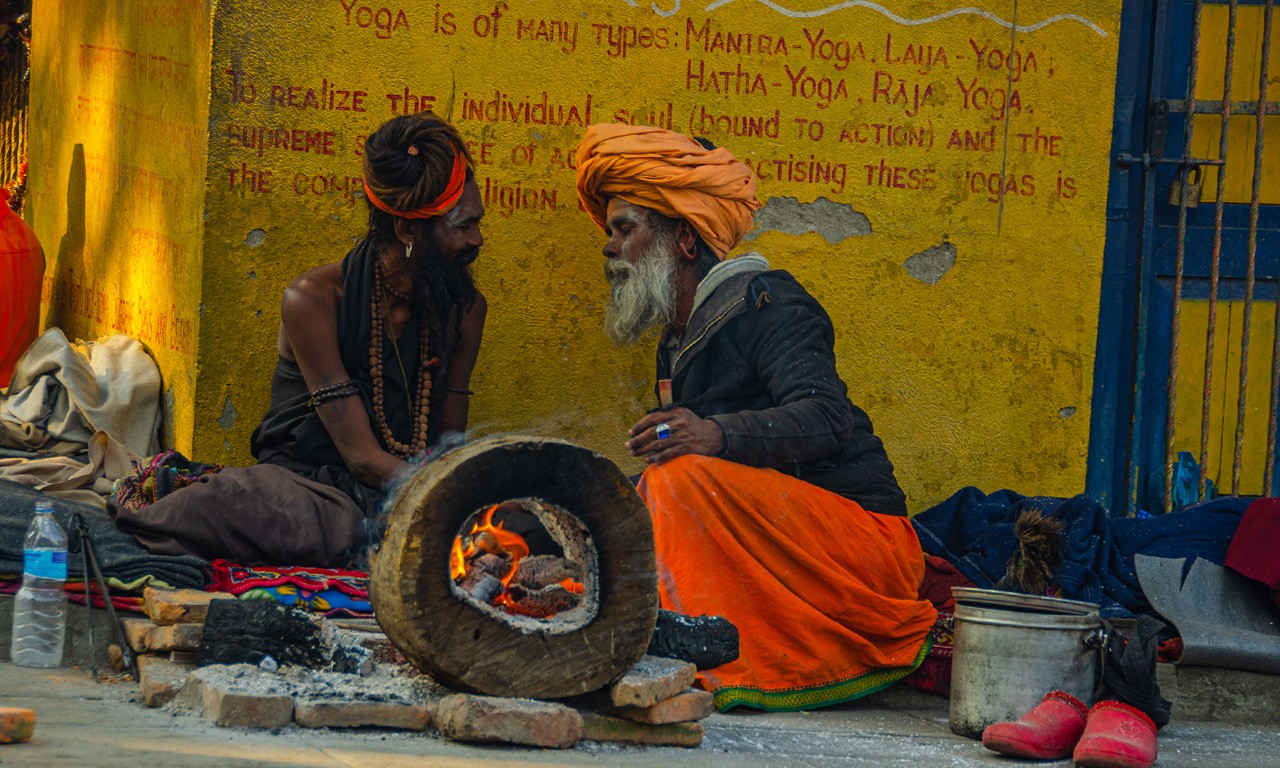
Amidst the smoke and the crowd, you will find the Jogis (Sadhus). These are men who have made the cremation ghats their home, turning a place of death into a place of life. In a world obsessed with material wealth, fancy cars, and "luxury living," the Sadhu stands as a silent rebel.
They have no attachment to the illusion or greed of the world. Their identity is carved purely out of devotion and penance (Tapasya). While everyone else is running toward a "better life," the Jogi has already arrived at the ultimate destination, living in complete surrender to the Divine. They remind us that true wealth isn't what you collect, but what you are willing to give up.
The Beggar: The Final Refuge of Faith
Then, there are those whom society has pushed to the edges—the beggars. For many, Pashupatinath is the final sanctuary when everything else is gone. There is an old Nepali saying, "Bhagwan Varosa" (In God we trust), and here, you see it in its rawest form.
Whether it is a mother with a small child or the elderly who have no one left, they sit in the shadow of the temple. They live on the hope that a "big-hearted person" will pass by. In this sacred space, the wealthy visitor and the penniless beggar meet; it is a humbling reminder that at the end of our lives, we all return to the same soil, relying on nothing but the grace of God and the kindness of strangers.
Conclusion: Returning to Your Karma
Pashupatinath is more than a cemetery; it is a mirror that reflects the two most difficult paths of the human experience: Renunciation and Survival. When you see the Sadhu, who has intentionally walked away from the "luxury" we all crave, you realize that peace doesn't come from owning the world, but from being free of it. When you see the Beggar, sitting patiently with "Bhagwan Varosa" (Trust in God) as their only currency, you realize that even in total loss, faith remains a bridge to the next meal, the next day, and the next life.
This is the ultimate truth of the Time Cycle. In this sacred perimeter, the wealthy businessman, the dancing devotee, the detached Jogi, and the hopeful beggar all share the same air and the same final destination.
The Final Lesson: Our ancestors were happy because they didn't just look at the temple; they looked at the cremation fire and the people around it. They understood that whether you have everything or nothing, your Karma is the only thing you truly own.
As you leave the smoke of the ghats behind, don't just carry a memory of a "tourist site." Carry the clarity of the mirror. Stop running from the stress of the material world, look at your reflection in the eyes of the Sadhu and the survivor, and realize that your time—your Samaya—is the most sacred thing you have. Live your Karma wisely, for the fire waits for no one.