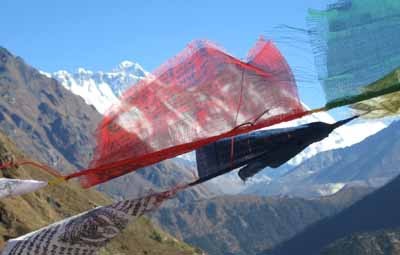
The Rolwaling Valley Trek is a strenuous and rewarding Himalayan adventure into one of Nepal's last hidden valleys. Far from the crowded trails, this trek offers pristine wilderness, the stunning Tsho Rolpa glacial lake, and authentic cultural immersion in Sherpa villages like Beding and Na. The journey culminates in the challenging crossing of the Tashi Lapcha Pass (5,755m), linking the secluded Rolwaling Valley with the iconic Everest region. It's a true expedition for experienced trekkers seeking solitude, raw beauty, and a profound test of endurance.
Let's celebrate together "Visit Nepal 2026", Get amazing discounts for group travelers!
- Duration11 Days
- Price from$735/ person
- Difficulty LevelStrenuous
- Max Altitude4,700 M (15,420 ft)
The Rolwaling Valley Trek is far more than a simple walk; it is an adventurous journey that forges an intimate connection with the raw heart of the Himalayas. It is where you learn to sing along with the whisper of the river, harmonize with the rhythmic crash of waterfalls, and form a silent, enduring bond with ancient peaks. Imagine the profound joy and peace of losing yourself in the lap of the natural world, completely untethered from modern life.
This powerful dream finds its ultimate fulfillment on the Rolwaling Valley Trek. Nestled deep in the shadow of the majestic Gaurishankar Himal, this remote journey is part of the Gaurishankar Conservation Area. Its location is key to its mystery, bordering Tibet to the north and gently brushing against the edge of the famous Khumbu (Everest) region.
Rolwaling is not just a valley; it is a sanctuary. It is renowned as the home of the courageous Sherpa mountaineers from the villages of Beding and Na. It is also a protected habitat for elusive and majestic creatures like the elusive snow leopard, a powerful symbol of the untamed wildness that still thrives here.
What truly sets the Rolwaling trek apart is its authentic, non-commercial character. Unlike the more frequented trails in Nepal, Rolwaling remains a peaceful, week-long immersion into a place that feels untouched by time. It is a moderately challenging trek designed for those seeking a genuine experience far from the crowds.
The valley's unique identity is carved from its stunning landmarks. The journey leads you to the breathtaking Tsho Rolpa Lake, one of Nepal's largest glacial lakes resting at an impressive 4,580 meters. You will also have the opportunity to visit the sacred Dudhkunda Lake, a high-altitude jewel surrounded by soaring peaks. This trek also forms a challenging section of the legendary Great Himalayan Trail, offering a true expedition experience.
The very name "Rolwaling" tells a story, meaning "the valley carved by a plough," a poetic nod to the powerful glacial forces that shaped it over millennia.
🚗 The Scenic Journey to the Trailhead
The Rolwaling Valley Trek begins with a scenic six to seven-hour road journey from Kathmandu. Winding through towns like Mude, Kharidhunga, and Charikot before reaching the trailhead at ChetChet, this drive is an experience in itself. Passing through the powerful currents of rivers like the Sunkoshi, Tamakoshi, and the Rolwaling itself. Beautiful mountain vistas unfold from various points, inviting you to stop and absorb the view. ChetChet itself is a remarkable starting point, home to a captivating, high waterfall that sets the tone for the natural splendour to come.
🥾 The Trekking Experience: A Demanding and Rewarding Trail
From ChetChet, the true Rolwaling trek unfolds as you follow winding paths. This is a challenging and demanding journey that requires a good level of physical fitness. The trail weaves through dense, whispering forests, past lovely rivers and cascading waterfalls, and through small, isolated settlements.
The final push to reach the high-altitude wonders of Dudhkunda at 4,700m and Tsho Rolpa Lake at 4,580m is a test of spirit and stamina, demanding genuine effort that makes the arrival all the more rewarding. For the truly adventurous, we need 1 extra day to make a side trip to the Yalung Ri Base Camp at 4,900 meters, which provides unparalleled panoramic views of the surrounding Himalayas.
🍛 Authentic Accommodation and Meals
Accommodation on the Rolwaling Valley Trek is a mix of basic teahouses and guesthouses, which is part of its authentic charm. A highlight of the journey is the opportunity for a genuine homestay experience in local villages like Beding and Na. Staying with a Sherpa family is not just about a place to sleep; it's a profound cultural exchange that supports sustainable tourism directly within the community.
Meals on the trail are basic, hearty, and incredibly satisfying. You will enjoy delicious and freshly prepared local dishes, often made with organic potatoes and green vegetables harvested directly from family gardens. This farm-to-table experience in the high Himalayas ensures that every meal is nourishing and adds to the unique flavor of the Rolwaling Valley Trek.
🏘️ Cultural Immersion in the High Villages
A profound cultural immersion awaits in the traditional Sherpa villages of Beding (3,690m) and Na Gaon (4,138m). Here, you will get a true taste of the Sherpa way of life, characterized by warmth and resilience. Despite the hardships and isolation of their high-altitude home, the people are incredibly welcoming, greeting every traveler with a never-fading smile.
Throughout your journey, the river is a constant companion. The valley, with its pristine lakes, unique vegetation, and generous people, is more beautiful precisely because of its remoteness. With far fewer visitors than other trekking routes in Nepal, the Rolwaling Valley trek offers a sense of solitude and discovery that is increasingly rare.
🌿 Flora and Fauna of Rolwaling
The Rolwaling Valley is a treasure trove of biodiversity. The region is home to many varieties of herbal medicines (Jadibuti), used by local communities for generations. During the spring season, the hillsides are blanketed with the brilliant blooms of rhododendrons (Laligurans), creating a spectacular display of colour. Higher up, numerous delicate alpine flowers can be seen clinging to life in the rocky terrain.
This rich ecosystem provides a home for an array of Himalayan wildlife. The elusive Snow Leopard is the crown jewel, while the sturdy Himalayan Tahr and the timid Musk Deer are also common. The forests are home to the Himalayan Black Bear, and the high pastures are grazed by shaggy Yaks. For bird enthusiasts, the valley is a paradise, featuring the iridescent Himalayan Monal, the vibrant Blood Pheasant, and various majestic eagles.
🏘️ Culture and Settlements
The cultural tapestry of the Rolwaling valley is woven from distinct threads. The lower parts of the trek are inhabited predominantly by Tamang and other ethnic groups, whose rich cultural traditions are visible in their dress and architecture. As you ascend, the landscape becomes the domain of the Sherpa community, renowned for their mountaineering prowess and deep-rooted Tibetan Buddhist faith.
This spiritual heritage is evident in the several ancient Gompas (monasteries) that dot the region. The rhythmic chant of prayers, the spinning of prayer wheels, and the fluttering of prayer flags create an atmosphere of profound peace, deeply connecting the people to their land.
🎒 Essential Gear and Preparation
As the saying goes, the right gear makes the journey. No trek is so easy that it requires no preparation, and with the proper equipment, even the hardest trek becomes achievable. The mountain weather is famously unpredictable, capable of changing from sunshine to a snow squall in minutes. Being self-sufficient is key.
Your most critical piece of equipment is proper, broken-in trekking boots. The rocky and steep trail demands ankle support and a sturdy grip. Layered clothing is essential for adapting to changing conditions. A reliable four-season sleeping bag, a headlamp, and a comprehensive first-aid kit are non-negotiable. On a trek like Rolwaling, your gear is your responsibility and your lifeline.
🗓️ Best Time to Trek Nepal's Hidden Rolwaling Valley 🍂 ⚠️
The Rolwaling Valley Trek is best experienced during the premier seasons of Spring (March to May) and Autumn (September to November), which offer the most stable conditions for a high-altitude Himalayan journey. A significant logistical advantage of this trek is that it is entirely flight-free, avoiding the potential delays associated with domestic flights to other regions. During these peak seasons, you can expect generally stable weather, clear skies for magnificent mountain views, and optimal trail conditions underfoot.
Your choice between the two ideal seasons can be guided by your personal interests. Spring transforms the trail into a vibrant botanical display, with lush, green landscapes and hillsides blanketed in blooming rhododendrons. Autumn, following the monsoon rains, provides the clearest air for photography and coincides with Nepal's vibrant festival season and harvest period, offering a richer cultural immersion as you pass through traditional villages. Both seasons provide a superb balance of natural beauty and comfortable trekking.
In contrast, the mid-Monsoon (late June to August) is generally ill-advised due to persistent rain, muddy trails, landslides, and leeches, with many teahouses closed. The heart of winter (December to February) is a challenging proposition reserved for very experienced trekkers with a guide, as heavy snow often blocks the high passes and routes to iconic sites like Tsho Rolpa Lake. For the vast majority of trekkers seeking a safe and rewarding adventure, the windows of Spring and Autumn remain the unequivocal recommendations.
Ready to embark on this unforgettable adventure? Contact us today to book your journey into the heart of the hidden Rolwaling Valley.
What makes this tour very interesting
The Rolwaling Valley Trek is a challenging and truly immersive journey into one of Nepal's last hidden valleys. Unlike the congested trails of the Everest Base Camp or Annapurna treks, Rolwaling offers a non-commercial and peaceful experience, perfect for adventurers seeking solitude.
This trek leads you through pristine wilderness to the stunning Tsho Rolpa, one of Nepal's largest glacial lakes. You will experience authentic cultural immersion with homestays in traditional Sherpa villages like Beding and Na, where you'll enjoy hearty, homegrown meals and witness a unique lifestyle.
The Rolwaling Valley Trek is ideal for adventurous trekkers looking for something different—a challenging trip that offers deep cultural connections and breathtaking Himalayan scenery, without the need for a technical high-pass crossing. It’s the perfect choice for those who prefer to share the mountains with fewer people.
Trip Gallery
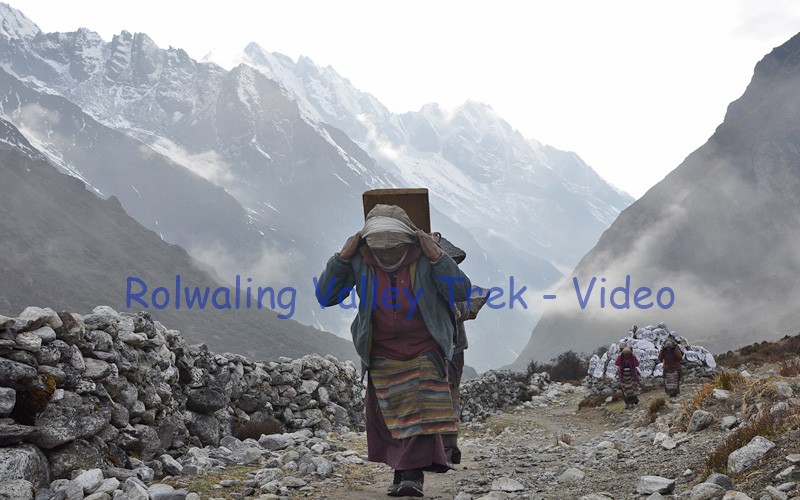
Rolwaling Valley Trek
Itinerary
This 11-day Rolwaling Valley Trek itinerary is a classic Himalayan journey, covering a total trekking distance of approximately 58 km through one of Nepal's most stunning and sacred valleys. The adventure begins in Kathmandu with a cultural tour before an 8–10 hour drive to the trailhead. The trek itself is a gradual ascent from Simigaon (1,997m) to the high point at Tsho Rolpa Lake (4,558m), passing Sherpa villages like Beding and the spectacular Naa Gaon. Key highlights include views of Gaurishankar Himal, visiting the holy Dudh Kunda lake, and the dramatic glacial Tsho Rolpa Lake. The return journey retraces the path down the valley, concluding with a drive back to Kathmandu for your final departure.
- Day: 1
Arrival in Kathmandu and Hotel Transfer
Upon your arrival at Tribhuvan International Airport (TIA) in Kathmandu, a representative from Rugged Trails Nepal will be there to welcome you, holding a sign with your name or the company logo.
The drive to your hotel will take approximately 30–45 minutes during peak traffic hours, or a quick 15–20 minutes otherwise. After a warm welcome drink and check-in, you will have time to refresh and rest. If your flight arrives in the morning or afternoon, we can plan an activity to utilize the free time, as resting too much during the day is generally not advised to combat jet lag. If your arrival is after 6 PM, dinner arrangements will be scheduled for a later date.
- Day: 2
City Tour and Trek Briefing
Breakfast is included in your trip cost. At around 9:00 AM, your city tour will commence with an expert cultural guide. Kathmandu is home to numerous heritage sites, but today we will focus on visiting Kathmandu Durbar Square, Boudhanath Stupa, and Pashupatinath Temple. This tour usually takes about five hours.
Around 3:00 PM, you will meet your trekking guide at the hotel for a detailed briefing about the Rolwaling Valley trek, including the final route plan and a gear check. If you need to buy or rent any equipment, the nearby Thamel area offers a wide range of quality and affordable trekking gear. The evening is free for leisure.
- Day: 3
Drive Kathmandu to Chhet Chhet, Trek to Simigaon
You'll need an early breakfast today. Your trek guide will meet you around 7:30 AM for the journey. The drive is long, scenic, and exciting, taking you through Dhulikhel, Mude, and Charikot before reaching Chhet Chhet.
Lunch will be taken at a local restaurant en route. For trips using a shared vehicle, the stop will be at the local transportation's designated lunch break point; for private vehicle trips, you may stop at a preferred location.
Upon reaching Chhet Chhet, our Rolwaling Valley trek officially begins. We cross a suspension bridge and immediately start on a slightly uphill trail with some stone steps. Following the uphill path along the Tamakoshi (Rolwaling) River, we hike through a small section of jungle before reaching Simigaon. This slow-paced trek takes about 3 hours. Simigaon is a settlement of Sherpa people and some mixed ethnic groups, though urbanization and migration have led to a decline in the local population.
- Day: 4
SimiGaon Trek To Dongang
After breakfast, we set off along a small village trail to join the main trekking route. As we walk, we’ll hear the gentle sounds of the river, the clamor of villagers at work, and the echoes of people calling out to each other across the hills. The trail takes us through a forest of Rhododendron (Lagigurans).
The path is quite zigzagged and follows the river's edge, passing through Kyalche before reaching Dongang, situated right on the banks of the Rolwaling Khola. A few years ago, a major flood affected the teahouses in this village. Dongang is a beautiful, peaceful place, ideal for meditation and photography. We will stay here tonight.
•Altitude Gain: 790m (2,592 ft)•Oxygen Concentration: 72% (compared to 100% at sea level) - Day: 5
Dongang Trek To Beding Village
After a hearty local Himalayan breakfast, we continue towards the heart of the Rolwaling Valley. Our trail follows the confluence of the Rolwaling Khola and the water coming from Tsho Rolpa Lake (known as Tsho Rolpo Khola). We will pass through Thangdingma, which is our designated spot for a morning rest.
There are limited teahouses on this route, necessitating fixed camps and destinations. From Nyamare, the path climbs gently towards the Changmi Kha Gateway, where we will see the giant trees that were once part of a canopy forest before logging destroyed it.
From Changmi Kha, it is the final push—about 30–45 minutes—to reach Beding, our stopping point for the night. Highlights of the day include seeing the magnificent Gaurishankar peak (7,134 m/23,405 ft) and walking along the Rolwaling Khola for almost the entire way, passing several waterfalls.
Beding is a large village, though many inhabitants have moved to the cities. We can still observe the old houses, traditional lifestyle, and local monasteries (Gumbas). Hydration is key today; drink plenty of water to help acclimatize and prevent altitude symptoms, which can start to appear at this elevation.
•Altitude Gain: 753m (2,470 ft)•Oxygen Concentration: 65% (compared to 100% at sea level) - Day: 6
Beding Trek to Naa Gaon & Explore
Today's trek is shorter but exceptionally scenic. We gain an altitude of approximately 629 meters. The trail continues alongside the Rolwaling Khola, offering stunning views of waterfalls, monasteries, grazing yaks, sheep, and colorful prayer flags before we reach Naa Village.
A local belief, initiated by Guru Rinpoche, dictates that no animals should be slaughtered above Dongang. Consequently, meat is only consumed if it has been brought up from lower regions. Be cautious around yaks, especially mothers with their calves; maintain a safe distance. Look uphill to your left to spot a painting of Guru Rimpoche on a rock.
Naa Gaon, nestled at the foot of towering mountains, offers spectacular Himalayan views. We will take an acclimatization hike to a slightly higher point near the river before returning to Naa for the night.
•Altitude Gain: 629m (2,063 ft)•Oxygen Concentration: ~63% (compared to 100% at sea level) - Day: 7
Hike to Dudh Kunda & Tsho Rolpa Lake
This is an early start! The air is calmer in the morning, making the hike easier. As there are no teahouses past Naa, we will carry our packed breakfast and lunch. This day hike is adventurous and somewhat tiring but rewards us with the full splendor of the Rolwaling Valley.
Our main destination is Tsho Rolpa Lake (4558m/14,954ft), often called the 'danger bell' of this area due to the risk of glacial lake outburst flood (GLOF). Extensive research and water-level reduction work have been carried out here. We will also visit the nearby holy lake, Omi Tso (Milk Lake), known in Nepali as Dudh Kunda. These majestic lakes are situated in the lap of giant Himalayas. After exploring, we return to Na Village for our overnight stay.
Proper trekking boots are essential today due to the rugged trail, providing crucial ankle support. The long day of hiking should ensure a sound sleep tonight!
- Day: 8
Trek via Naa Gaon to Dongang
After breakfast, we retrace our steps, descending from Naa Gaon, passing through Beding, and making our way down to Dongang. Take time to look back at the magnificent Gaurishankar Himal along the way. We will spend the night in Dongang.
- Day: 9
Dongang Trek To SimiGaon
To avoid a very steep and rugged descent that leads directly to Chhet Chhet, we will follow the same, relatively gentler trail back to Simigaon for our overnight stay.
- Day: 10
Trek to Chhet-Chhet and Drive to Kathmandu
We will have an early breakfast and then descend the final 5 km to Chhet Chhet Bazaar. From there, we begin the long drive back to Kathmandu. Your guide will drop you off at your hotel. In the evening, you can explore Thamel for dinner, shopping, or even a massage to relieve the fatigue of the long trek.
- Day: 11
Final Departure
Breakfast is included at the hotel. Based on your flight schedule, our team will arrange a vehicle to drop you off at the airport for your final departure. We look forward to meeting you on your next trek in Nepal!
What's Included
- Full Board (breakfast, lunch, and Dinner) in Trekking
- Accommodation during the trek (local lodge)
- The government registered English speaking local expert guides, porters.
- Gaushanker Conservation park fee, TIMS Card.
- Accommodation in Kathmandu with breakfast.
- Guided Tour in a city with an expert tour guide.
- Welcome and farewell dinner in the city
- Equipment clothing for Porter & staff.
- Insurance for all staff & porters.
- Transportation to and from the starting and ending points of the trek
- First Aid Kit for the group and team members.
- Rolwaling Trekking Map.
- Salary, allowances, expenses & insurance for all staff including porters
What’s Excluded
- Lunch & dinner during hotel stay in Kathmandu
- Personal gears & clothing (available on hire)
- Tips for team crew.
- Any expenses incurred in emergency evacuation
- Personal insurance, medical evacuation in case of emergency.
- Service other than mentioned above, table drinks, snacks while walking
- Expenses incurred due to accidents, landslide, strikes, political unrest, etc...
- Items of personal nature expenses such as alcoholic drinks, cold drinks, laundry, mineral water
FAQs
- I'm An Experienced Hiker, But Not A Mountaineer. Is The Rolwaling Trek For me?
Yes, absolutely. This trek is designed for experienced trekkers with a high level of fitness. While it is strenuous and reaches high altitudes, it does not require technical climbing skills on the standard route (without Tashi Lapcha Pass). The challenge comes from the remote trails, significant altitude gain, and rugged terrain, not from technical rock or ice climbing.
- How Serious Is The Risk Of Altitude Sickness On This Trek?
The risk is significant and must be respected, as the itinerary involves a rapid ascent to over 4,500 meters. Our itinerary is specifically designed to manage this risk with acclimatization days in Beding and Naa Gaon. However, altitude sickness can affect anyone, regardless of fitness. This is why it is crucial to follow your guide's advice, hydrate constantly, and communicate any symptoms immediately.
- How Difficult Is The Drive From Kathmandu To The Trailhead?
The drive from Kathmandu to Chhet Chhet is a long and adventurous journey, typically taking 8 to 10 hours along a winding mountain road. While the scenery is spectacular, please be aware that this is not a smooth highway journey. The road is generally paved and smooth up to Singati Bazaar, but the final section is unpaved and bumpy.
We prioritize your safety and comfort by using the most reliable vehicles and experienced drivers for this challenging but essential leg of the journey.
- What is the food like on the trek? Will I get enough to eat?
Expect hearty, energizing meals to fuel your adventure. The staple is the classic Nepali Dal Bhat, supplemented by pasta, pancakes, and other familiar dishes. A unique highlight is the authentic homestay experience, where you'll often enjoy organic vegetables fresh from family gardens. Our guides often bring extra supplies and help prepare tasty, satisfying meals, making dinnertime a warm, communal end to the day.
- Is It Safe To Drink The Water?
While the Rolwaling region has abundant natural spring water, we strongly advise all trekkers to purify it before drinking to avoid any risk of stomach illness. For your safety, our guides will provide boiled water at teahouses. We also recommend you bring a reusable water bottle and either water purification tablets or a portable filter to safely and conveniently treat water from natural sources along the trail.
- Why Is A Guide Mandatory For This Trek?
To be honest, a guide is more than just a navigator; they are your companion and trusted facilitator throughout the journey. A guide is absolutely essential for both safety and logistics on the Rolwaling Valley Trek. The trail, particularly in this remote region, can be ambiguous in places, and weather conditions are known to change rapidly. Our local guides from the Rolwaling area provide invaluable knowledge for smooth navigation, proper acclimatization, and effective emergency response if needed. Furthermore, they are crucial for facilitating cultural interactions and managing teahouse and lodge bookings in this remote region with limited tourism infrastructure.
Your guide's responsibility extends from before sunrise until the moment you turn off your light in bed. It is rare to find such dedicated service in other countries. Our guides are known for being friendly, humble, and trustworthy. Nepal is popular not only because of its majestic Himalayas but also because of these "Himalayan drivers"—the dedicated guides who make the trekking experience safe, rich, and memorable.
- How Cold Does It Get At Night?
Temperatures on the Rolwaling Trek, particularly at higher elevations, can drop well below freezing. At places like Naa Gaon (4,199 m) and Tsho Rolpa (4,558 m), it is not uncommon for nighttime temperatures to fall to -5°C to -10°C (23°F to 14°F), even during the peak trekking seasons.
While teahouse lodges provide warm blankets, having your own sleeping bag ensures maximum warmth and hygiene. However, if you don't own one, please know it's not strictly mandatory, as the teahouses will have sufficient bedding.
- This Trek Is Described As "Non-Commercial." What Does That Mean For Facilities?
It means you should expect basic but sufficient facilities. Teahouses are simple, typically featuring shared toilets (often the Asian squat style, though some places may have Western-style toilets) and cold-water showers. It is usually possible to arrange a bucket hot water shower for an additional cost. Wi-Fi is either unreliable or entirely non-existent. Mobile data from NCELL and NTC networks works in some places but is not reliable everywhere. This lack of modern amenities is precisely what preserves the valley's authentic and peaceful character.
- What Happens In Case Of A Medical Emergency?
Your guide is trained in first aid and altitude sickness recognition. They carry a comprehensive first-aid kit and will assess the situation. In a serious emergency, the standard protocol is to arrange a helicopter evacuation to Kathmandu. This is why comprehensive travel insurance that covers high-altitude trekking and emergency evacuation is mandatory.
- I'm Interested In The Tashi Lapcha Pass Crossing. Is This An Option?
The Tashi Lapcha Pass (5,755m) is a highly challenging and technical expedition that is not part of our standard Rolwaling Valley Trek package. Crossing this pass requires mountaineering equipment (such as crampons, ice axe, and ropes) and significant high-altitude experience. Additionally, an expedition of this nature requires extra crew members and logistical support to set up high camps and manage food supplies. However, we are fully equipped to arrange a custom expedition for climbers who are qualified and adequately prepared. Please contact us directly to discuss the specific requirements and arrangements for this challenging crossing.
- What Is The Best Time To Go, And When Should WAvoid It?
Best Time: Autumn (Sept-Nov) offers dry, clear skies and is the safest. Spring (Mar-May) has clear skies, blooming flowers, but a higher chance of snow. Avoid: Monsoon (June-August) due to landslide risks, leeches, and poor visibility. Deep Winter (Dec-Feb) due to extreme cold, heavy snow on the pass, and increased risk; we generally do not operate scheduled groups then.
Useful Information
⚠️ Altitude Acclimatization and Safety on the Rolwaling Trek
The Rolwaling Trek does have a high chance of altitude sickness (Acute Mountain Sickness - AMS) due to the rapid elevation gain. Symptoms such as headache, nausea, dizziness, and loss of appetite are signs of AMS. The local advice is: "Bistarai Bistarai" (Slowly Slowly), but keep moving steadily.
Our Acclimatization Strategy
To manage the risk, our itinerary is carefully designed:
- We do not proceed directly to Naa Gaon; instead, we overnight in Beding to allow the body time to adjust.
- The trek to Naa Gaon the following day is short, and we further dedicate time there to acclimatize before the demanding day trip to Tsho Rolpa and Dudh Kunda.
Safety and Communication
Your body's reaction to altitude is unpredictable. Therefore, if you experience any discomfort or unusual symptoms, it is crucial to immediately share this information with your trekking guide. This gives them sufficient time to assess the situation, make timely decisions, and use their experience to ensure your safety.
Medication (Diamox)
Your guide will carry a comprehensive medical kit. If you experience mild symptoms like a slight headache from the start of the trek, you may consider taking Diamox (Acetazolamide) as a preventative measure: half a pill in the morning and the remaining half in the evening.
Crucially, please consult with your personal doctor before starting the trek regarding the use of Diamox, as we have observed cases where individuals have experienced adverse reactions to the drug.
🏃 Preparing Your Body for the Rolwaling Valley Trek
Once you have confirmed your trek, it is highly recommended to engage in certain preparatory exercises in your home country to ensure your body is ready for the demands of the Rolwaling Valley:
- Hiking/Walking with Weight: If you have hiking trails nearby, practice walking or hiking while carrying a backpack loaded with some weight. This simulates carrying your gear and helps condition your muscles for the trek.
- Cycling: Regular cycling is excellent for strengthening your legs and building endurance, which is vital for the long hours of trekking.
- Swimming: Swimming offers a full-body workout and is particularly beneficial for improving your cardiovascular health and breathing capacity.
- Breathing Practice (🧘 Yoga/Pranayama): Seek out yoga or breathing classes (online or locally) to practice deep and controlled breathing techniques. This will be extremely helpful for coping with the lower oxygen levels at high altitudes.
Remember your body's condition is known best by you. The key difference between trekking in Nepal's high-elevation and lower-elevation areas is the level of challenge posed by the altitude. Be prepared for continuous uphill and downhill walking, as all treks in Nepal involve significant elevation changes.
🎒Essential Practical Advice and Expectations
Besides all the physical preparation, it is important to not have high expectations for modern amenities on this trek.
You will find food and lodging to meet your basic needs, but since this is not a busy trail like the Annapurna, Everest, or Langtang routes, teahouse stops are limited. Therefore, do not forget to pack your own personal items like favorite snacks, wipes, chocolates, and other comforts.
Water
While teahouses and lodges provide boiled water, it is highly recommended to carry water purification tablets or a quality filter for water you collect along the trail. This provides a more convenient option for hydration between stops.
The Rolwaling Experience
Rolwaling Valley is truly a piece of paradise for nature lovers, offering a place of complete solitude away from the noise and crowds of the commercial trekking industry.
The trek is not yet fully equipped to meet all modern comforts, though this may change in the future. For now, it remains a secluded, peaceful haven where you can leave everything behind and simply enjoy the tranquility of nature.
✅ Do I Need Travel Insurance for the Rolwaling Trek?
Yes, comprehensive travel insurance is mandatory for all trekkers with Rugged Trails Nepal. It is a critical safety requirement, not an optional extra.
Before departing Kathmandu, you must email a copy of your insurance policy to us. Your policy must provide extensive coverage for high-altitude trekking, including:
- Emergency Medical Treatment
- Helicopter Evacuation (up to the maximum altitude of your trek)
- Trip Cancellation or Interruption
- Lost or Stolen Baggage
While we fully insure our guides and porters, your personal travel insurance is your own safety net. Based on our experience, we recommend researching providers from your home country that specialize in adventure travel. While local policies can be purchased in Kathmandu, their service and claim reliability for high-altitude rescues can be unpredictable. Your safety is our priority, so please choose a provider you trust.
💲Rolwaling Trek Cost and Service Tiers
The final price for this trek is highly dependent on the size of your private group, as we organize the Rolwaling Valley Trek exclusively as a private trip.
The cost listed typically assumes the use of sharing local transportation. Opting for a higher service tier, which includes the use of a private jeep for a smoother journey, will affect the price. Furthermore, a higher cost tier allows us to include extra trek supplies such as fresh fruits, Snickers bars, and supplemental water, along with providing additional warm drinks like tea and coffee (outside of standard breakfast time), and soup.
Please let us know your desired travel style and expectations. All our guides are friendly and dedicated; the difference in cost is reflected in the level of amenities, comfort (like private transport), and supplemental services provided throughout the journey.
🤝 Social Sustainability and Fair Wages
We share your concern regarding the fair treatment of our team members. Our commitment goes beyond simply organizing a trek; our main goal is to operate a socially sustainable business.
You can be assured that our guides and porters are well compensated. Unlike some companies that may offer minimum salaries (such as the reported minimum of $15 USD per day for some roles), we ensure our team receives ethical wages that are significantly above the industry's lower standards.
By choosing us, you are contributing directly to a business model that looks after its team, ensuring they are paid fairly, equipped properly, and recognized for the invaluable work they do as the backbone of the trekking industry.
⭐Why Choose Rugged Trails Nepal for the Rolwaling Trek?
Our intimate knowledge of the Rolwaling Valley Trek stems from the fact that it is the home district of Rugged Trails Nepal's team leader, who has been involved with and visited this route since its early days. This deep, personal connection ensures we have comprehensive, firsthand knowledge of the trek. All necessary trekking permits, including the Gaurishankar Conservation Area Permit (GCAP), will be arranged by us upon booking, and you will receive a detailed Rolwaling Valley trekking map during your pre-trek briefing in Kathmandu.
Local Expertise
We exclusively utilize local guides from the Rolwaling Valley area. Their familiarity with the terrain, culture, and potential conditions provides you with the safest and most insightful trekking experience possible.
Trek Extension Options
For those wishing to extend their journey, we can arrange side trips from Charikot to explore the surrounding region:
- Kalinchowk: Known as one of the most beautiful viewpoints in the area.
- Sailung Viewpoint: Another spectacular spot offering panoramic mountain vistas.
This region is characterized by charming villages, farms, and a rich, traditional agricultural lifestyle. We can also organize an extension for you to experience the peaceful village life and local culture for a few extra days.
Similar to Your Taste
![everest tashi labsta rolwaling trekking]()
Everest Tashi Labsta Rolwaling Trekking
Duration: 17 Days & 16 Nights