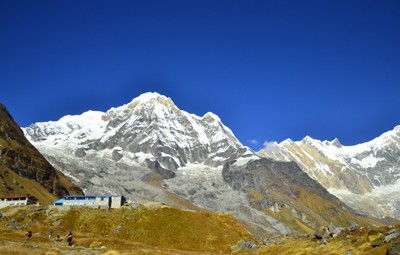
The Evolution of Trekking in Nepal
Nepal is the undisputed heart of adventure tourism, defined by the majesty of the Himalayas and the spirit of the Himal. While the world knows us for Mount Everest, trekkers know us for variety—ranging from 2-day scenic hikes to the legendary months-long Great Himalayan Trail.
In the past, the "Lonely Planet" era required trekkers to lug heavy suitcases from their home countries. But times have changed. Today, the world is more connected, and Nepal’s adventure hubs—Kathmandu and Pokhara—have transformed into world-class equipment centers. You no longer need to overpack; you can buy or rent almost everything "on the go."
Where to Buy Trekking Gear in Kathmandu: The Thamel Hub
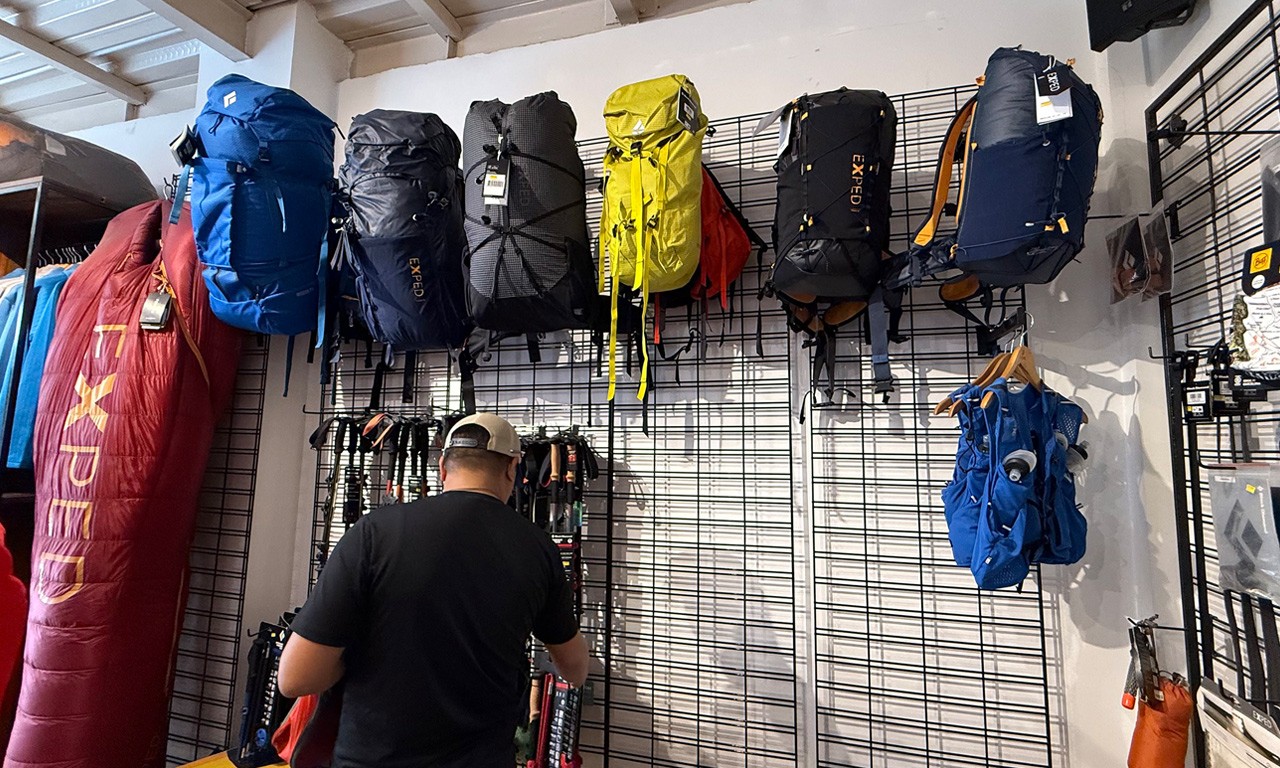
If you are flying into Nepal, your journey begins in Kathmandu. For trekking gear, Thamel is your primary destination. It is a sprawling marketplace where you can find equipment for every budget.
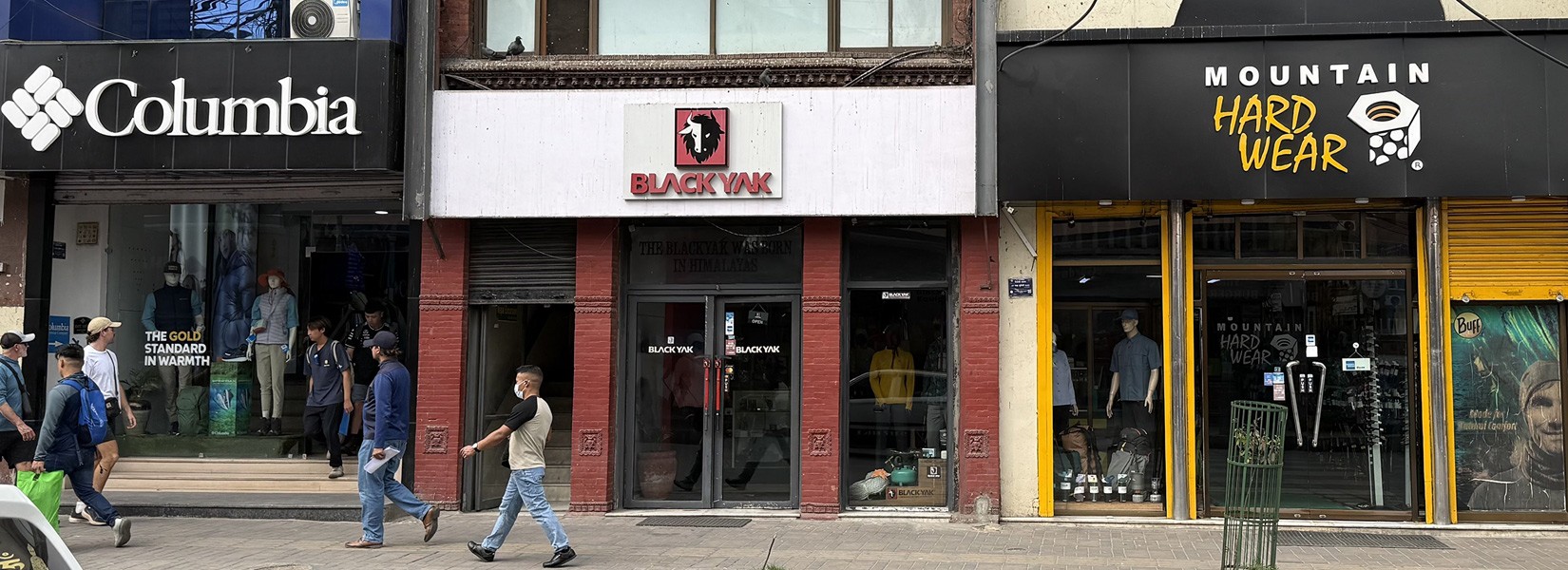
- Branded Gear: You will find authentic flagship stores for The North Face, Columbia, Mountain Hardwear, and the local favorite, Sherpa Adventure Gear, near the Tridevi Sadak area.
- Affordable Alternatives: Every alleyway in Thamel offers "local" versions of famous brands. While they aren't "original," many are high-quality and used daily by local guides.
- Expert Tip: Some might suggest heading to Asan or other local markets to save money. Ignore this. Stick to Thamel for the best variety and competitive tourist pricing in one walkable area.
Gear Shopping in Pokhara and Beyond
For those heading to the Annapurna Circuit or Annapurna Base Camp (ABC), Pokhara is your base.
- Lakeside, Pokhara: The main streets are lined with trekking stores. While the selection of international brands is slightly smaller than Kathmandu’s, it is the perfect place to rent sleeping bags or down jackets.
- On the Trail: Forgotten something? Don't panic. The "modernization" of trails means you can now find gear in remote hubs like Namche Bazaar (the "Thamel" of the Everest region), Manang, and even Syaulibazar in Langtang.
The "Check Before You Buy" Checklist
In Nepal, you can find a down jacket for $60 that might cost $400 in the USA. However, when buying non-authentic branded gear, you must inspect the "three pillars of durability":
- The Zippers: This is the most common point of failure. Test them multiple times. Ensure they are smooth and don't snag the fabric.
- The Stitching: Inspect the seams. If the stitching looks loose or uneven, the garment won't survive the rigors of the mountains.
- Straps and Clips: For backpacks, check the plastic tension clips. If they feel brittle or thin, they may snap in freezing temperatures.
A Note on Authenticity: Unless you are in an official flagship store, do not assume a label is "original." Embrace the bargain, but inspect the quality.
Essential Supplies: More Than Just Clothes
Beyond clothing, Kathmandu and Pokhara are one-stop shops for:
- Energy Food: Snacks, energy bars, and electrolyte powders.
- Toiletries: Biodegradable soaps, sunblock, and first-aid essentials.
- Technology: Portable power banks and local SIM cards.
| Question | Short Answer |
| How much does a full trekking set cost in Thamel? | You can get a basic local set (down jacket, trousers, 2 shirts, poles) for around $100–$250 USD. |
| Do I need to bring my own hiking boots? | Yes. Always buy and break in boots at home to avoid blisters. |
| Can I pay with credit cards in trekking shops? | In Thamel/Pokhara, yes, but expect a 4% bank fee. On the trail (Namche), cash (NPR) is king. |
| Is it better to buy or rent trekking gear in Kathmandu in 2026? | Sometimes it's better to buy, with prices ranging from 1 USD to 15 for renting. |
| How can I tell the difference between authentic branded gear and Thamel replicas? | Check the YKK zippers, the stitching density, and the logo embroidery |
| What trekking gear can I buy in Namche Bazaar or Manang? | You can buy everything, but prices are 20-30% higher due to transportation |
| What extra gear do I need for a winter trek (Dec–Feb) vs. a monsoon trek (June–Aug) in Nepal? | Microspikes (crampons) for winter and gaiters/leech-proof socks and a rain cover for the monsoon. |
Conclusion
The trekking landscape in Nepal has shifted. The days of 4-luggage expeditions are over. Today, you can land in Kathmandu with nothing but a dream and be fully equipped for the Everest Base Camp within 24 hours. To avoid the "commission games" found on the streets, we recommend shopping with a trusted local. At Rugged Trails Nepal, our guides accompany you to the best shops to ensure you get fair prices and gear that actually lasts the duration of your trek.
Ready to start your Himalayan adventure? Contact Rugged Trails Nepal today, and let’s get you geared up for the trek of a lifetime!