Hardest Day on the Everest Base Camp Trek
| Challenge Level | Segment | Primary Difficulty |
| Physical Shock | Phakding to Namche | Steep 600m gain; legs not adjusted. |
| Emotional/Mental | Thukla Pass | High altitude & memorials; mental fatigue. |
| Oxygen Depletion | Lobuche to Gorak Shep | Elevation above 5,000m; thin air. |
| The "Final Hurdle" | Namche to Lukla | Long downhill; knees and joints under stress. |
The Shock to the System: Phakding to Namche Bazaar
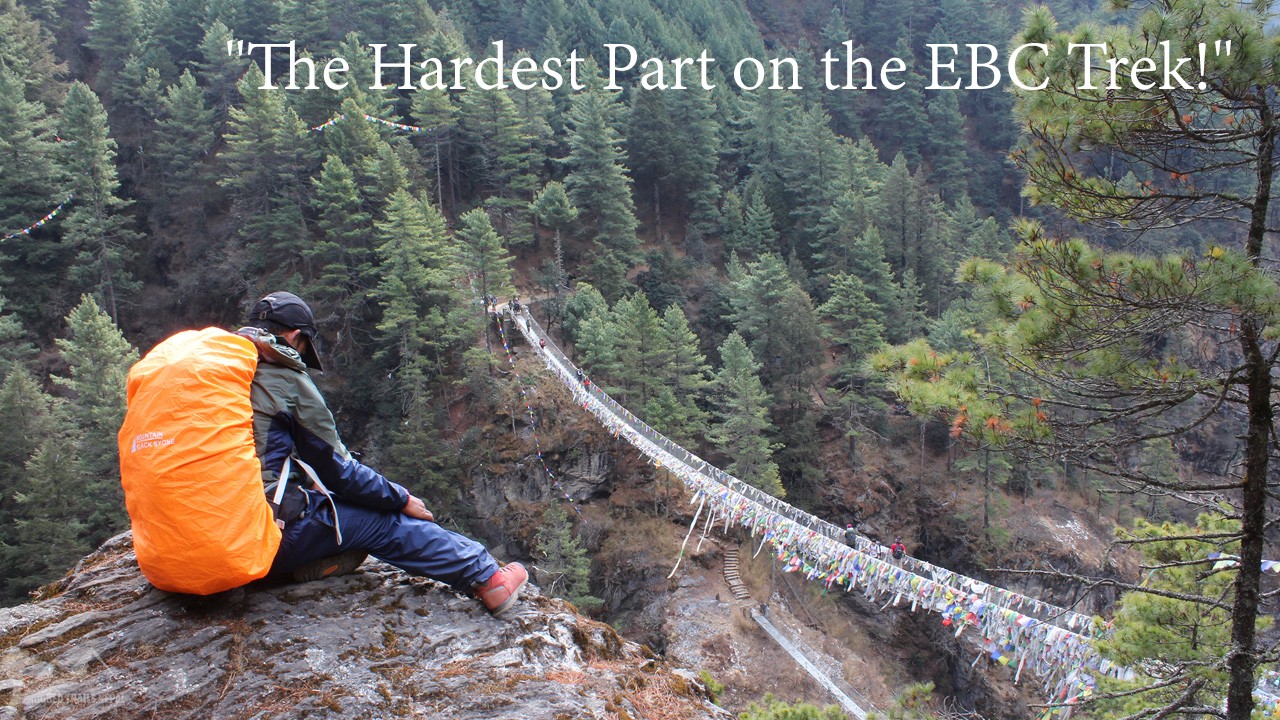
For many, the hardest day comes early. The climb from Jorsale to Namche Bazaar involves a grueling 600m ascent that catches many off guard.
- Why it’s tough: It is the first sustained "up" of the trek. Crossing the high Larja Bridge and beginning the zig-zagging climb into the clouds is a total shock to the system.
- The "Namche Trap": Once you finally reach the town, you might find yourself exploring the lower streets, only to realize you have another 150m climb just to get back up to your tea house or campsite!
The Emotional Wall: The Thukla Pass
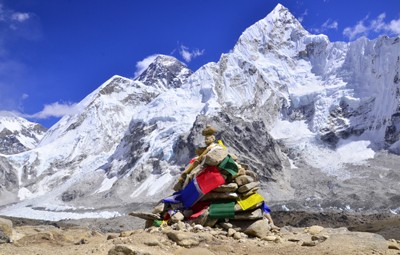
The hike up to Thukla (Dughla) Pass isn't just physically taxing; it's deeply emotional. This is where the memorial shrines for climbers who lost their lives on Everest are located.
- The struggle: By this point, altitude is a constant weight. Many trekkers report feeling "emotional" or reaching lunch stops in tears. Your energy levels and well-being dictate the difficulty here more than the terrain itself.
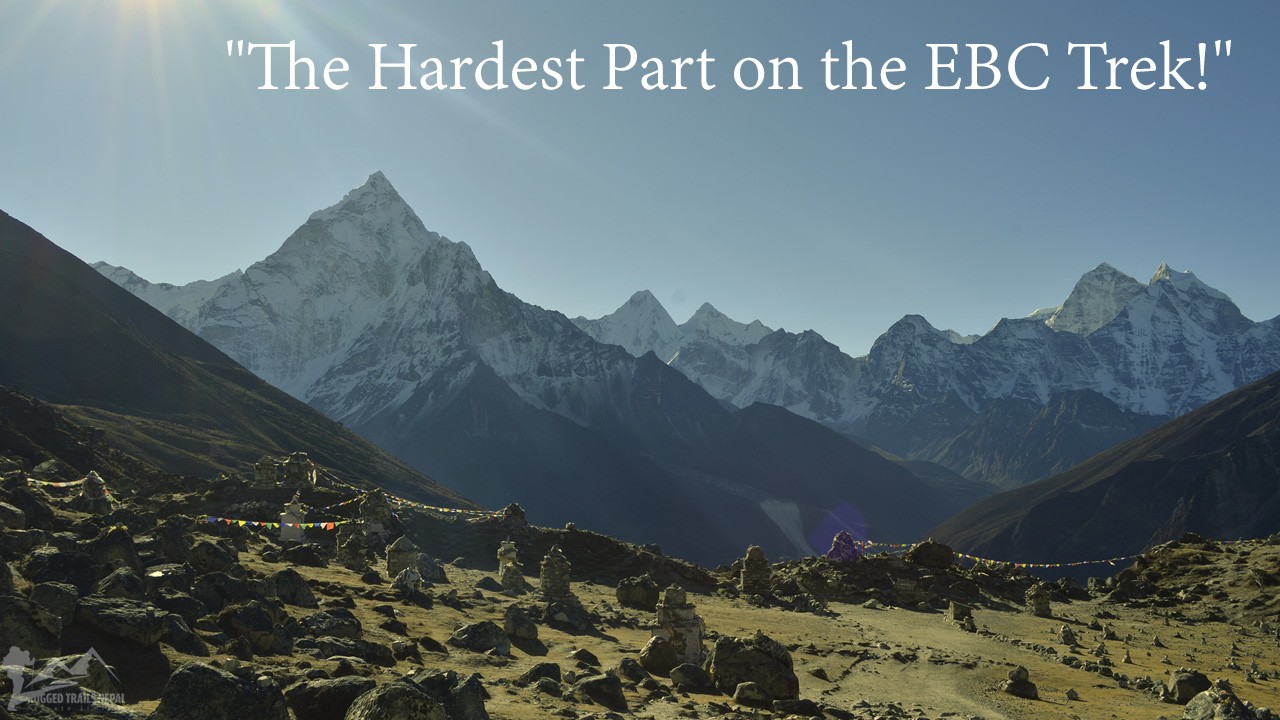
The Oxygen-Thin Push: Lobuche to Gorak Shep and EBC
As you pass the 5,000m mark, every step feels like a marathon. The stretch from Lobuche to Gorak Shep is often cited as the most difficult because of the altitude's effect on the body.
- The experience: Trekkers describe "barely being able to breathe" while navigating rough, uneven terrain. Even though the gradient might be gentle, the lack of oxygen makes the hike to Base Camp feel much longer than it actually is.
Everest Base Camp: Your Dream, At Your Own Pace
Trekking to Everest Base Camp is a monumental feat, especially for senior travelers or those who prefer a steady rhythm over a race. Joining a standard "group trek" can be stressful when you're forced to match the pace of younger trekkers. At Rugged Trails Nepal, we believe your journey should be as comfortable as it is breathtaking. We specialize in customized, senior-friendly trips designed to make the impossible, possible.
Why trek with Rugged Trails Nepal?
- Tailored Itineraries: We move at your pace, not a stopwatch’s pace.
- Professional Leadership: Our expert guides are trained specifically to support senior trekkers.
- Daily Health Monitoring: We conduct oxygen level (SpO2) and heart rate checks to ensure you are acclimatizing safely.
- A "Family First" Approach: We provide the warmth and support of a family-style environment throughout your journey.
The Sunrise Struggle: Kala Patthar
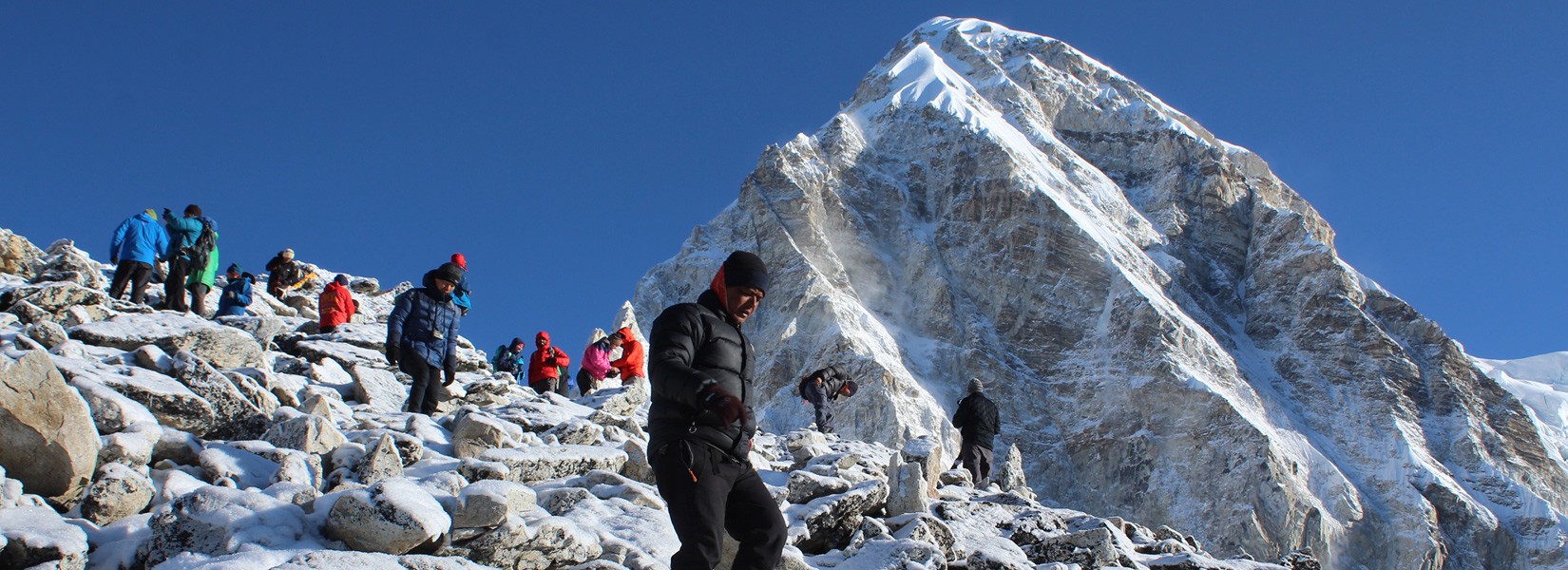
If you choose to summit Kala Patthar (5,550m) for that iconic sunrise view of Everest, prepare for a battle.
- The challenge: You’re usually hiking in the freezing dark, on an empty stomach, at the highest point of the trek.
- Pro-tip: Don't skip breakfast. Eat something high-energy and carry snacks like mint cake or chocolate to keep your engine running.
Survival Tips: How to Handle the Hard Days
While the trek isn't "dangerous" if you stay on the trail and use the right gear, the discomfort is real. Here is how the veterans handle it:
- The "Khumbu Cough": As you get higher, your throat dries out and your nose runs constantly. Use a buff to breathe in warmer, moister air.
- Listen to your body: If you sweat, change your clothes immediately. Wet cotton is your enemy in the mountains.
- The No-Fly List: To help with acclimatization, avoid meat, alcohol, caffeine, and soda once you cross the 14,000ft (4,267m) mark.
- Medication over Aspirin: Look into specific high-altitude medicine (consult your doctor) rather than standard painkillers.
- Hydrate: Water is your best friend. Drink more than you think you need.
The Bottom Line
Every trekker has their "bad day." For some, it’s the steep stairs to Namche; for others, it’s the thin air of Gorak Shep. But the moment you stand at Everest Base Camp, the struggle fades, and the accomplishment takes over. Take your time, enjoy the scenery, and remember: it’s a marathon, not a sprint.
Quick FAQs
Q: Is the hike to Everest Base Camp dangerous?
A: Not inherently, provided you stay on the marked trails, use proper gear, and allow your body to acclimatize. Most "danger" comes from ignoring altitude sickness symptoms.
Q: Why is the climb to Namche Bazaar so hard?
A: It is the first major elevation gain of the trek, rising 600m in a short distance. It often acts as a "shock to the system" for trekkers who haven't yet adjusted to the thin mountain air.
Q: Can I eat meat on the EBC trek?
A: It is highly recommended to avoid meat above Namche Bazaar (roughly 14,000ft). Since all meat is carried up by porters without refrigeration, the risk of food poisoning is high, which can end your trek early.
Ready to face the challenge yourself in 2026 or in 2027? Don't let the "hardest days" hold you back. Our expert guides specialize in pacing and acclimatization to ensure you reach Base Camp safely and smiling. View our EBC Trek Itineraries (14 Days) or Contact an Expert Today: +977 9851065387 WhatsApp
Conclusion: Is the Journey Worth It?
The Everest Base Camp trek is a test of character as much as it is a test of fitness. Whether you find the stairs to Namche the most daunting or the thin air of Gorak Shep the most draining, these "hardest days" are exactly what make the final view of the Khumbu Icefall so rewarding. You don't have to be a world-class athlete to stand at the base of the world's highest peak—you just need the right pace, the right support, and the right mindset. At Rugged Trails Nepal, we take the "hard" out of the hardest days, ensuring that your Himalayan story is defined by triumph, not struggle.