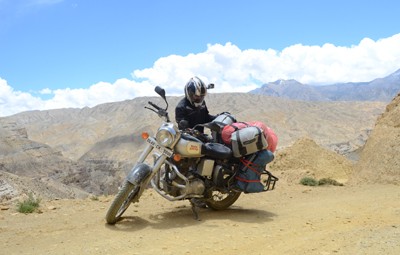
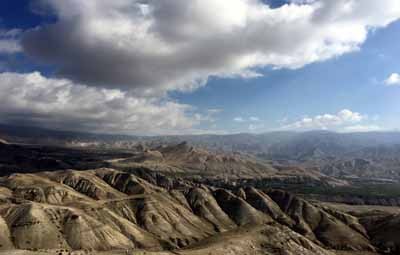
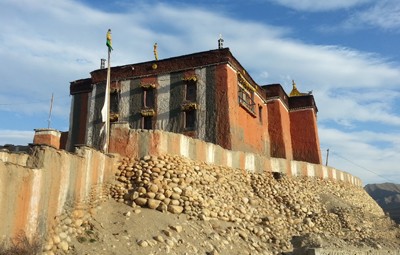
The Nepal Government has officially transitioned to a $50 per day "pay-as-you-go" permit system for Upper Mustang, replacing the old $500 flat fee. Effective from late 2025, this landmark change makes short Jeep tours, motorcycling, and trekking significantly more affordable. While Restricted Area Permit (RAP) costs are now flexible, ACAP fees and mandatory guide requirements remain in place.
Upper Mustang Permit Fee 2026
| Trip Duration | Old Cost (Pre-2026) | New Cost (2026) | Savings |
| 3-Day Jeep Tour | $500 | $150 | $350 |
| 5-Day Short Trek | $500 | $250 | $250 |
| 7-Day Highlights | $500 | $350 | $150 |
| 10-Day Full Trek | $500 | $500 | $0 |
Effective from December 22 (Paus 7), the Nepal Government has officially gazetted a new fee structure for the Upper Mustang Special Trekking Permit. Visitors planning to trek or drive through this region will now be charged a daily rate of USD 50 per person. This long-awaited change comes after persistent advocacy from tourism entrepreneurs who have urged the government to move away from the rigid pricing of the past.
Previously, travelers were burdened by a mandatory flat fee of USD 500 per person, which covered a fixed 10-day period. This new "pay-as-you-go" system is far more practical, as it allows visitors to pay only for the actual number of days they spend in the restricted area. This flexibility makes the journey much more accessible for those on tighter schedules.
As the trekking routes in Upper Mustang now largely run alongside motorable roads, there has been a significant shift in how people explore the region. While traditional trekking remains popular, there is an increasing trend toward Jeep tours, motorcycling, and mountain biking. This reduction in permit fees makes these shorter, adventurous "road-trip" style tours much more affordable and attractive for international tourists.
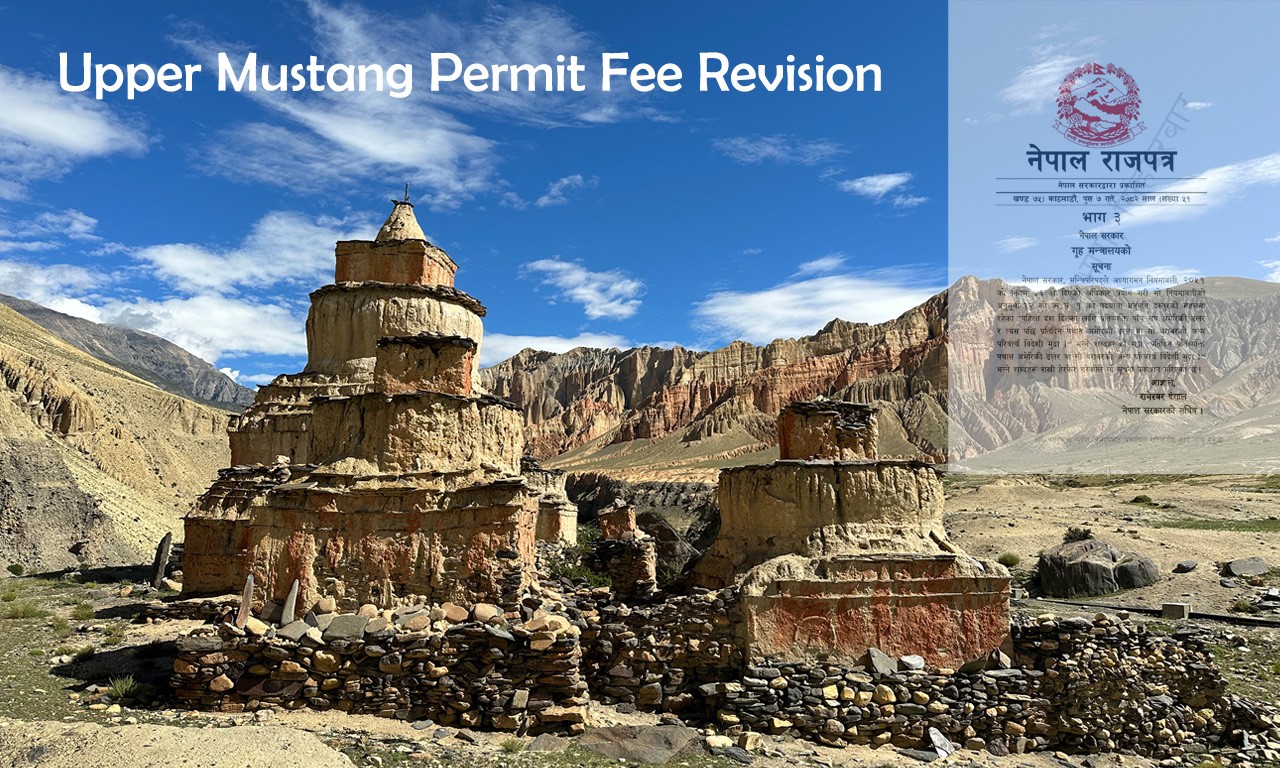
It is important to note that while the Restricted Area Permit (RAP) fee has changed, the ACAP (Annapurna Conservation Area Project) fees remain the same. The ACAP entry fee continues to be 3,000 NPR for international tourists and 1,000 NPR for Indian nationals.