Following severe monsoon flash floods along the Nepal-China (Tibet) border that impacted localized infrastructure and pilgrimage routes, potential visitors are questioning if Nepal is safe to visit. While viral social media videos suggest nationwide devastation, the reality on the ground is far more localized: main trekking hubs like the Annapurna region (Mardi Himal, ABC), Everest (via direct flights or Pikey Peak), and key corridors like Pokhara remain open, accessible, and safe for the upcoming autumn travel season (October–December). Local mountain communities rely entirely on autumn tourism for their livelihoods and work rapidly to restore temporary bridges and trails post-monsoon. Traveling responsibly to Nepal right now directly supports disaster recovery, local porters, and mountain guides without compromising trekker safety.
Is Nepal Safe To Visit After Floods
Table of Contents
Why You Shouldn’t Visit Nepal Right Now
Nepal is reeling from a massive disaster. A devastating flash flood along the Nepal-China (Tibet) border has left scores missing and taken a tragic toll—over 1,300 bodies have been recovered so far, and roughly 5,000 people remain missing. The scale of this catastrophe is terrifying, something no one could have imagined. Beyond the overwhelming numbers, hundreds of homes have been swept away, roads and bridges lie destroyed, and the survivors are drowning in grief. In a moment filled with such unbearable pain, why should anyone visit Nepal?
The destruction isn’t confined to the Langtang region. It has severed major arterial routes, including the vital highway connecting Kathmandu and Pokhara, where repair teams are working feverishly to restore access. Broken bridges make road journeys exceptionally tough. Under these circumstances, why would a tourist choose to come here?
All over social media, a loud campaign has taken off: "NEPAL is NOT closed; NEPAL is OPEN. Please visit!" But repeating a slogan does not automatically build a safe environment for travelers. Cancellations are mounting, and we need to look beneath the surface to understand what is truly happening.
When people plan a vacation—whether to Nepal or anywhere else—they look for joy, relaxation, and an escape from stress. Naturally, potential visitors fear that a trip to Nepal today will offer nothing but heartbreak, tears, and rubble. It feels uncomfortable—even selfish—to chase holiday fun in the middle of such immense human tragedy.
Will the people of Nepal make you carry that weight? The answer is more complex than it seems. Nepalis have endured heavy trials time and again—from the massive earthquake to years of civil conflict and endless political upheaval. There is an ingrained cultural resilience that keeps life moving forward. It isn't just a mindset built overnight; it is forged by rugged geography, daily hardship, and a way of life that demands endurance. The quiet consensus here is simple: What happened happened; now we must live, work, and keep moving.
That resilient spirit alone isn't a valid reason to tell tourists they must visit. Safety, alternative routes, and clear logistics are what travelers actually care about, and transparent global communication on these points is currently lacking.
Promotional videos chant phrases like "Nepal is open," "Porters are ready," or "Prayer flags are dancing."
But travelers aren't naive. International media outlets are broadcasting raw coverage directly from ground zero of the disaster. For someone who knows Nepal well, it’s obvious that the country is far larger than the affected Langtang sector. But for a first-time visitor whose knowledge is limited to Mount Everest and Buddha, it is entirely natural to assume the whole country was wiped out.
Consider this: when catastrophic wildfires hit California, no one assumes the entire United States is off-limits. People understand US geography. But because Nepal is a small country, a disaster of this magnitude instantly gives the impression that the whole nation has ceased to function.
Is Nepal Truly Too Dangerous to Visit Right Now?
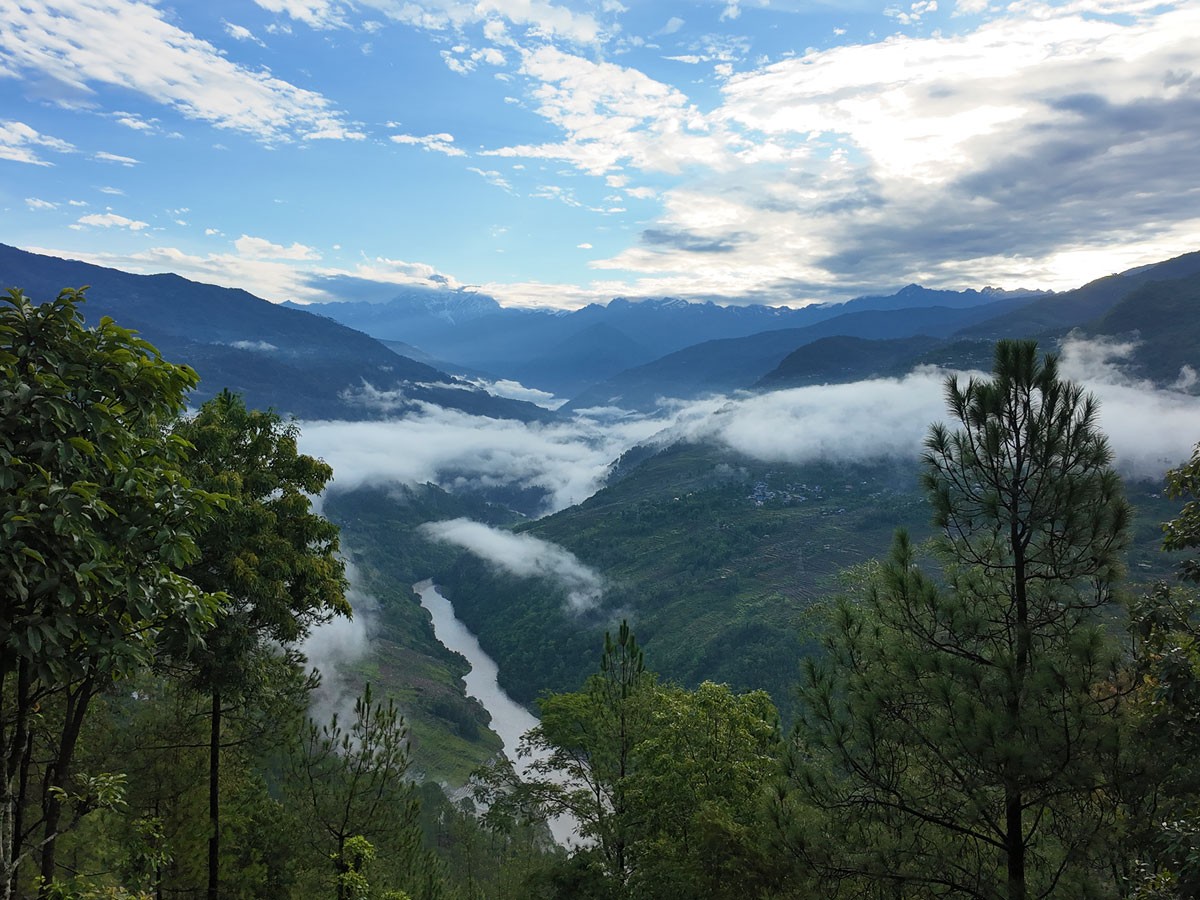
Despite the tragedy, traveling to Nepal as a whole is not inherently unsafe. Landslides and localized flooding are routine occurrences during the monsoon. That is precisely why the best times to trek are autumn and spring. The monsoon always requires caution, though this particular flash flood was an unprecedented tragedy.
Ranked by travel volume, the Langtang area sits behind the Everest and Annapurna regions, where the vast majority of trekkers spend their time. Because several international travelers were caught in the recent border flood, fear has understandably spread. However, it is crucial to understand the context of that specific route: the flash flood struck a transit corridor used heavily for the annual Mount Kailash and Manasarovar pilgrimage in Tibet. Every year, thousands of pilgrims—roughly 90% being international passport holders of Indian origin—travel this road, along with overland tour groups bound for Lhasa, local residents, and border traders carrying goods. It is a specific seasonal movement concentrated in a single border zone.
Does pointing this out mean Nepal is completely safe everywhere? No—it is simply laying out the ground reality.
Nepal’s prime trekking season runs from October through mid-December, a window characterized by clear skies and stable weather. October is also when Nepalis celebrate Dashain, our biggest festival. To prepare for this period, government agencies prioritize clearing and repairing major transport corridors after monsoon damage.
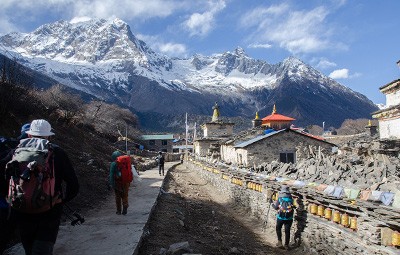
For example, the road to Pokhara is rapidly being restored, and alternative land routes exist—alongside a quick 25-minute flight. Once in Pokhara, the major Annapurna trails, such as Mardi Himal and Annapurna Base Camp, remain safe and accessible. If you are heading toward Everest, flights to Lukla operate normally, and extended road links now stretch all the way toward Lukla.
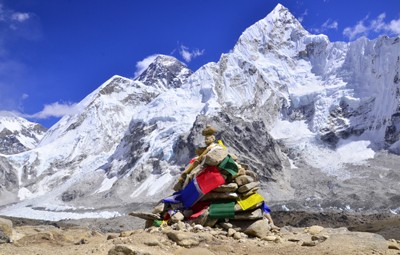
The main issue is that Nepal’s tourism industry often over-relies on a few famous trails instead of highlighting great alternatives. When Everest flights face delays, stunning options like Pikey Peak offer breathtaking views without the logistical headaches, yet they are rarely promoted.
Sensational Content vs. Ground Reality
Another challenge is viral social media content driven by clicks and monetization. A video recently circulated showing trekkers sprinting across a landslide zone on the Manaslu circuit alongside footage of a collapsed bridge. In an international market where nuanced updates from Nepal struggle to reach people, alarming clips with tags like #viral create widespread panic.
Friends of mine in the Netherlands, scheduled to trek Manaslu in late September, sent me that clip asking, "Is Manaslu even possible right now?"
The honest answer requires context: Yes, the video shows a real moment during the peak monsoon. But it is equally true that local communities work rapidly to repair seasonal damage before the autumn season begins. The livelihood of entire valleys—from Manaslu to Annapurna and Everest—depends on autumn tourism. Locals and mountain authorities know that if trails aren't restored, livelihoods collapse.
When that suspension bridge on the Manaslu route washed away, local ward leaders and conservation officials immediately built a sturdy temporary wooden bridge to restore access. Expedition teams, porters, and supply lines are already moving through safely.
Local guides, agencies, and content creators have a responsibility to share complete pictures—highlighting solutions and alternative routes alongside real-time conditions. When viral videos spread panic without context, it directly harms local communities and mountain workers. Mountain tourism in Nepal is inherently rugged and adventurous. Things don't always go strictly according to plan, but the local response is defined by hard work, resourcefulness, and warm hospitality even in challenging times.
Why Choose Nepal?
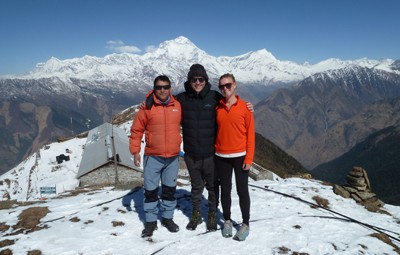
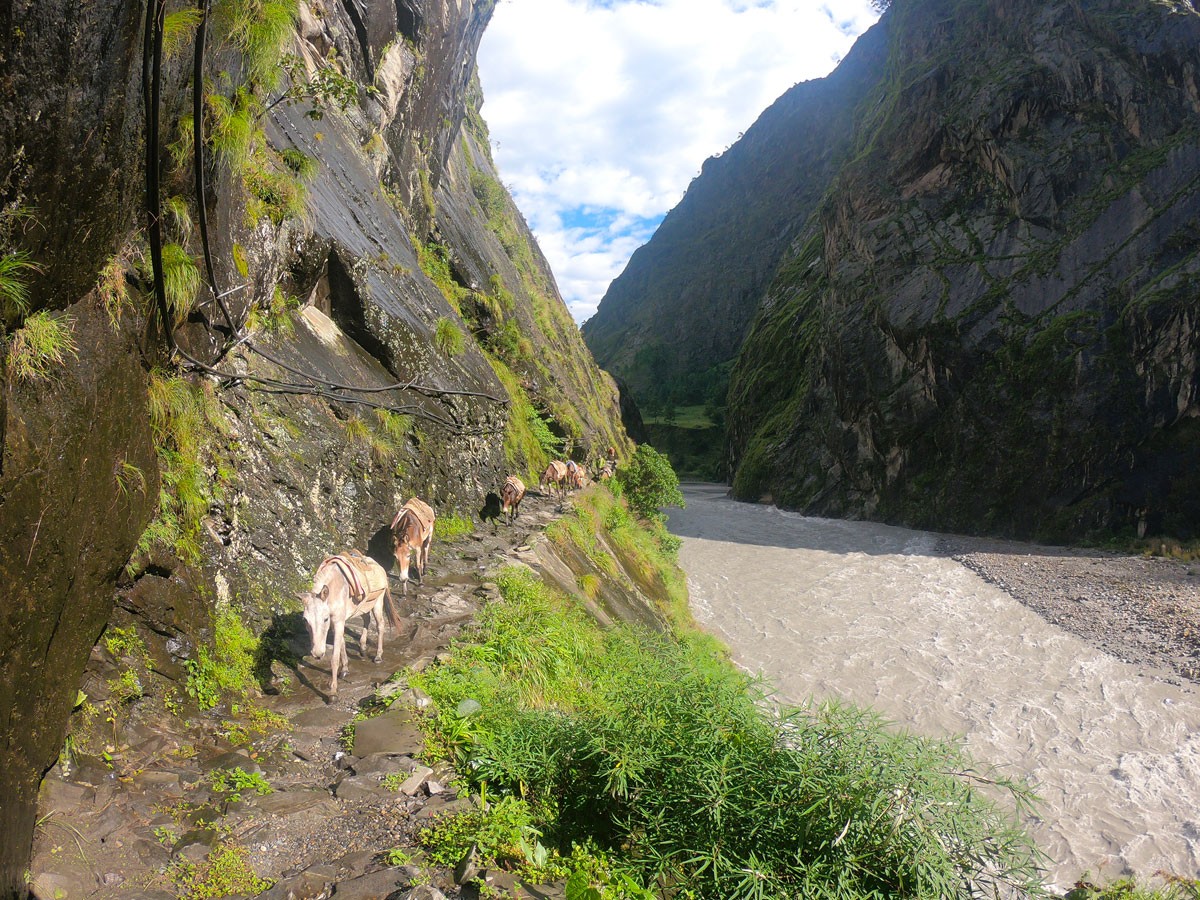
You shouldn't come just because someone pleads with you to do so. Come because you see the full picture. You don't have to come, but if you do, your presence makes a genuine difference. There are real hardships here, but the warmth of Nepali culture does not disappear in tough times. Instead of canceling a trip out of fear, travelers should realize that Nepal has vast, untouched regions ready to welcome them safely.
To everyone who lost loved ones, homes, or livelihoods in this tragedy: our hearts are heavy. I have lost friends, fellow workers, and neighbors in this flood. We mourn them deeply.
We cannot carry grief forever without finding a way to transform it into action. Time doesn't stop. What happened was a terrible tragedy, and right now, our focus is on offering sympathy and real support—whether through official channels or direct community aid. Continuing to welcome travelers is part of that recovery. It isn't about promoting tourism for leisure amid sorrow; it is about sustaining the working people, the guides, and the mountain communities who rely on this season to survive.
Conclusion
Navigating travel decisions in the wake of a natural disaster requires balancing safety awareness with ground reality. While the grief of lost lives and damaged infrastructure in affected border zones is real and deeply felt, shutting down travel across the entire country only deepens the economic hardship for local communities. Nepal's mountain routes remain open, resilient, and ready to welcome visitors—not as an act of charity, but as a meaningful partnership that helps local families rebuild through sustainable tourism.
"You shouldn't visit Nepal right now if you are looking for a flawless luxury resort experience... but if you want real adventure, safe open trails, and a chance to help local families rebuild, Nepal needs you now more than ever."